
In his poems and plays,
Shakespeare (1564-1616) invented thousands of words, often combining or contorting Latin, French and native roots. His impressive expansion of the English language, according to the
Oxford English Dictionary, includes such words as:
arch-villain, birthplace, bloodsucking, courtship, dewdrop, downstairs, fanged, heartsore, hunchbacked, leapfrog, misquote, pageantry, radiance, schoolboy, stillborn, watchdog, and zany.
The following phrases are also attributed to
Shakespeare´s uncanny way with words:
“... has seen better days” (As You Like It)
“... hasn’t slept a wink” (Troilus and Cressida)
“... foul play” (Hamlet)
“... dead as a doornail” (Henry VI)
“... beggared all description” (Antony & Cleopatra)
“... set my teeth on edge” (Henry IV)
“... it was early days” (Troilus and Cressida)
“... as good as luck would have it” (The Merry Wives of Windsor)
“... laugh yourself into stitches” (Othello)
“... a foregone conclusion” (Othello)
“... one fell swoop” (Macbeth)
“... the game is up” (Cymbeline)
“... tell truth and shame the devil” (Henry IV)
“... to give the devil his due” (Henry V)
“... he knits his brow” (Henry VI)
“... what the dickens” (The Merry Wives of Windsor)
“... make a virtue out of necessity” (Two Gentlemen of Verona)
“... with bated breath” (The Merchant of Venice)
“... neither rhyme nor reason” (As You Like It)
“... in such a pickle” (The Tempest)
“... playing fast and lose” (King John)
“... living in fools paradise” (Romeo & Juliet)
"... wanting too much of a good thing” (The Merchant of Venice)
“... in the end truth will out” (The Merchant of Venice)
“... melt into thin air” (The Tempest)
“... love is blind” (The Merchant of Venice)
“... tower of strength” (Richard III)
“... green-eyed jealousy” (The Merchant of Venice)
“... to be cruel only to be kind” (Hamlet)
“... more in sorrow than in anger” (Hamlet)
“... more sinned against than sinning" (King Lear)
“... be that as it may” (Henry VI)
“... the devil incarnate” (Titus Andronicus)
“... a good tongue in his head” (The Tempest)
“... don’t stand on ceremony” (Julius Caesar)
“... pomp and circumstance” (Othello)
“... not budging an inch” (The Taming of the Shrew)
“... making a laughing stock” (The Merry Wives of Windsor)
“... the be all and end all of it” (Macbeth)
“... brevity is the soul if wit” (Hamlet)
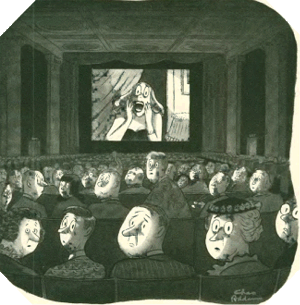
 "Several times I read the dramas and the comedies and historical plays, and I invariably underwent the same feelings: repulsion, weariness, and bewilderment. At the present time, before writing this preface, being desirous once more to test myself, I have, as an old man of seventy-five, again read the whole of Shakespeare, including the historical plays, the "Henrys," "Troilus and Cressida," the "Tempest," "Cymbeline," and I have felt, with even greater force, the same feelings,—this time, however, not of bewilderment, but of firm, indubitable conviction that the unquestionable glory of a great genius which Shakespeare enjoys, and which compels writers of our time to imitate him and readers and spectators to discover in him non-existent merits,—thereby distorting their aesthetic and ethical understanding,—is a great evil, as is every untruth"


